

Her Hands, Her Land يداها، أرضها
Rooted in Her thread by thread, seed by seed, their hands carry the scent of earth and woven threads, the same hands that embroidered history into fabric and harvest into life.
The work positions Palestinian women not as symbols, but as living carriers of continuity. Through their hands, land is not only remembered, but enacted — shaped, nurtured, and woven into being. They carry memory, resilience, and the spirit of place; their labor transforms absence into survival.
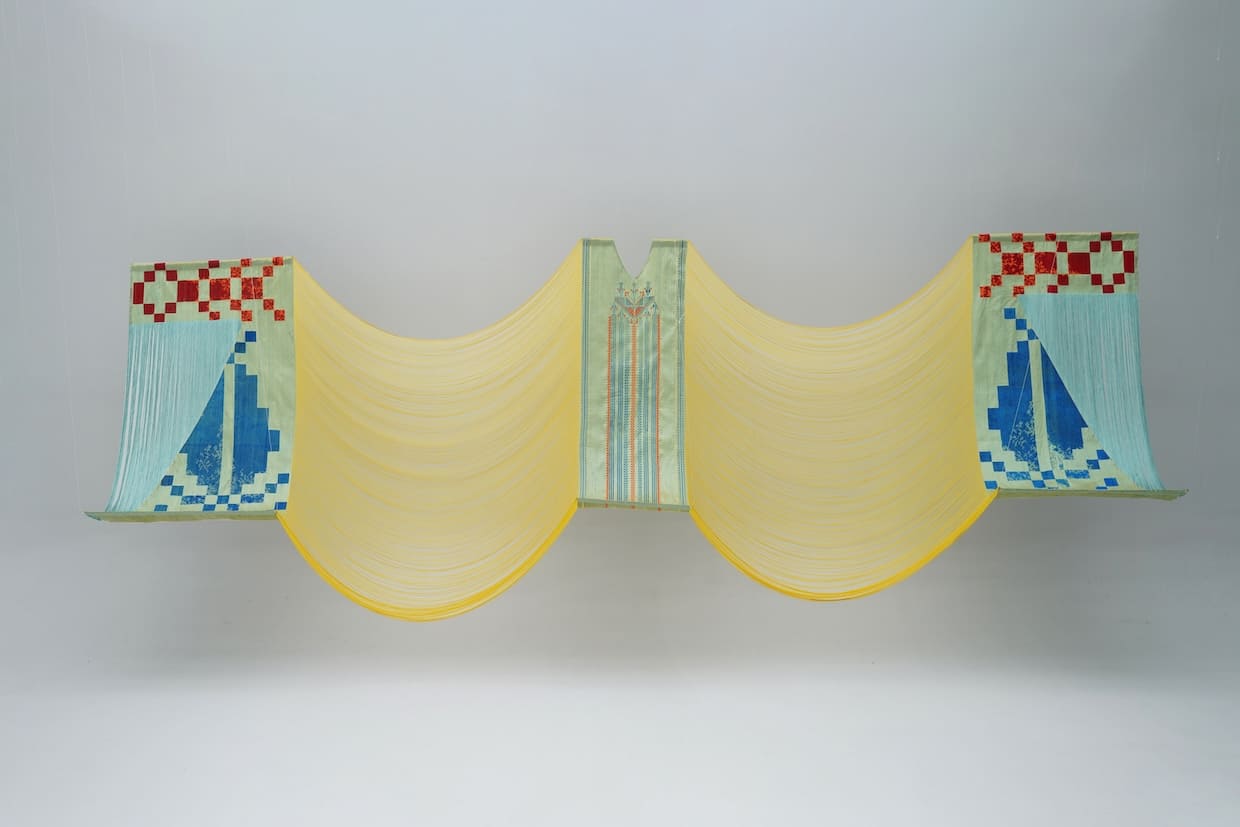
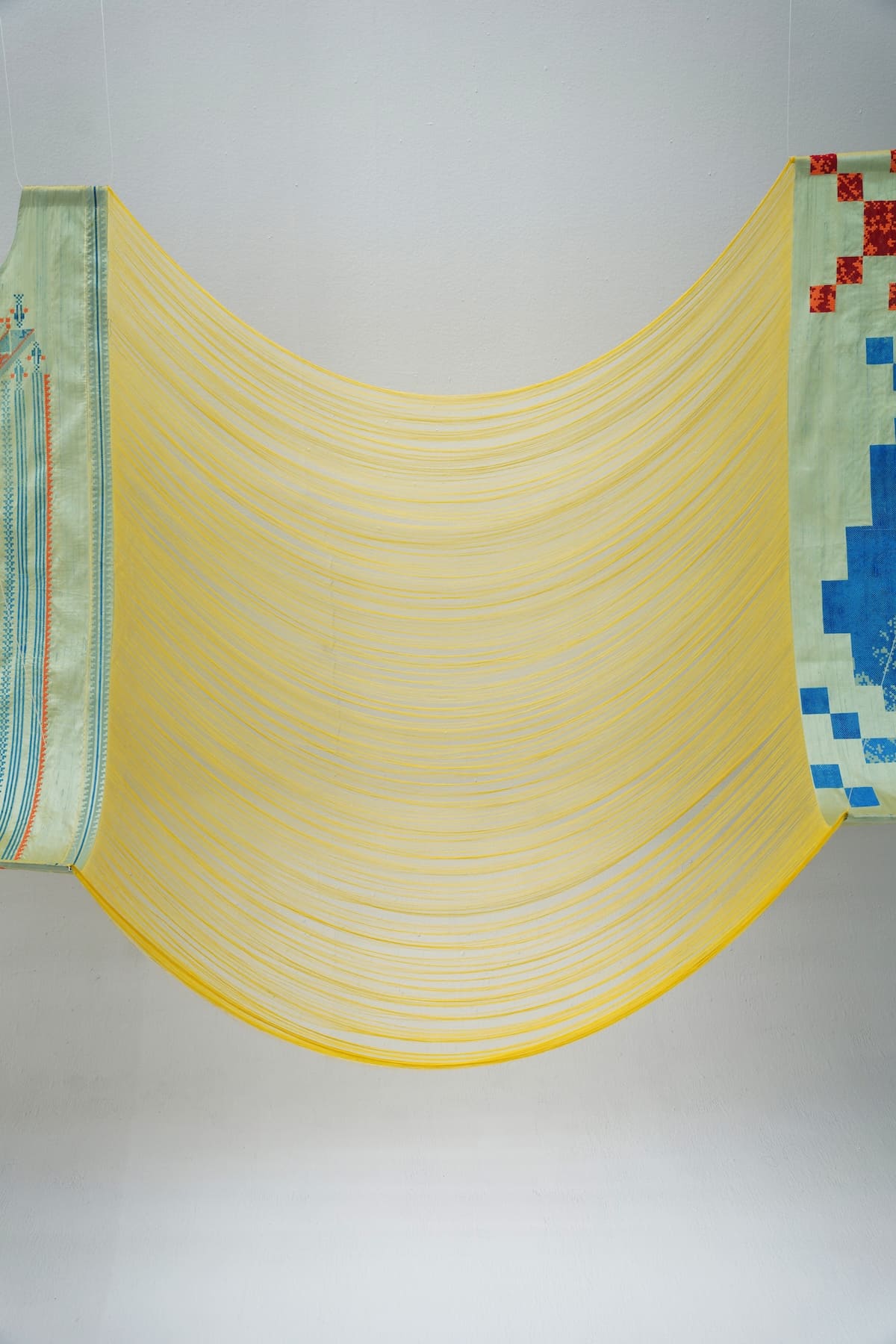
Her Hands, Her Land takes the form of a conceptual dress, a foundation for these women. Its pieces are connected by threads extending from the heart, evoking creation itself, as the heart becomes a source of love and a womb of continuity. The threads trace the unseen bonds between generations: care, resistance, and rebirth.
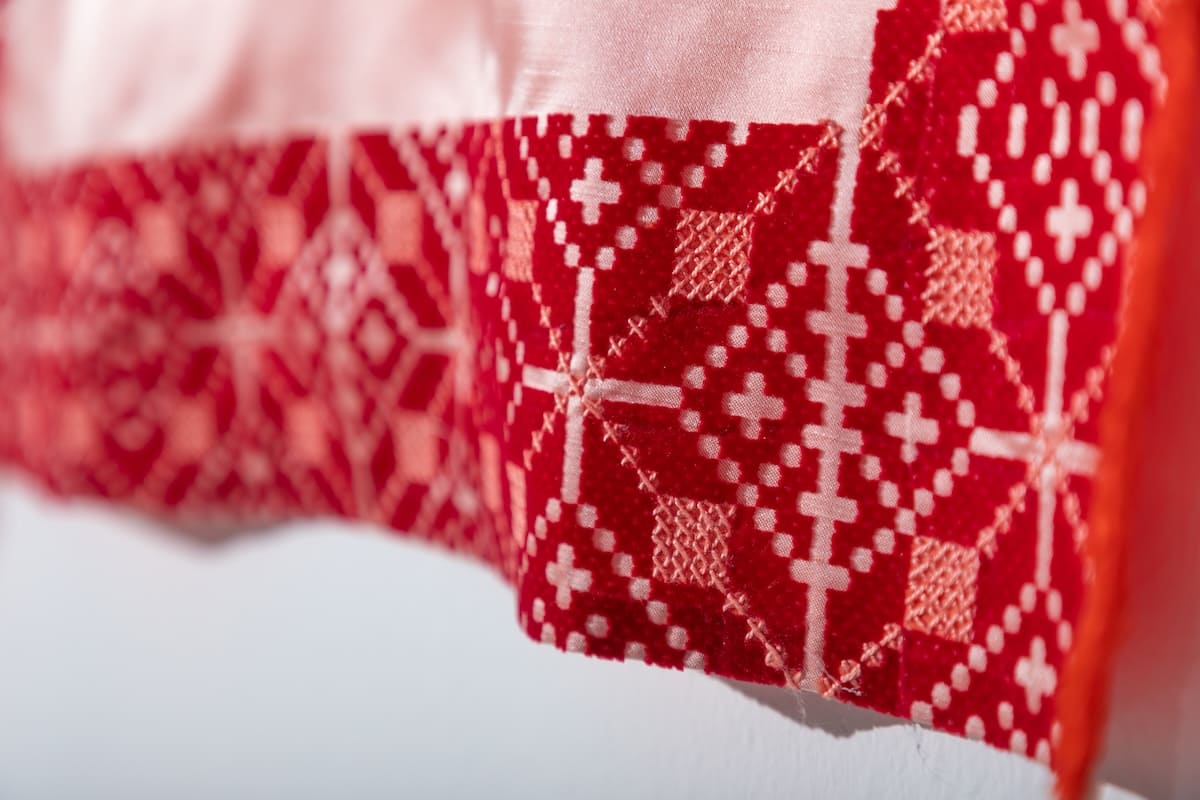
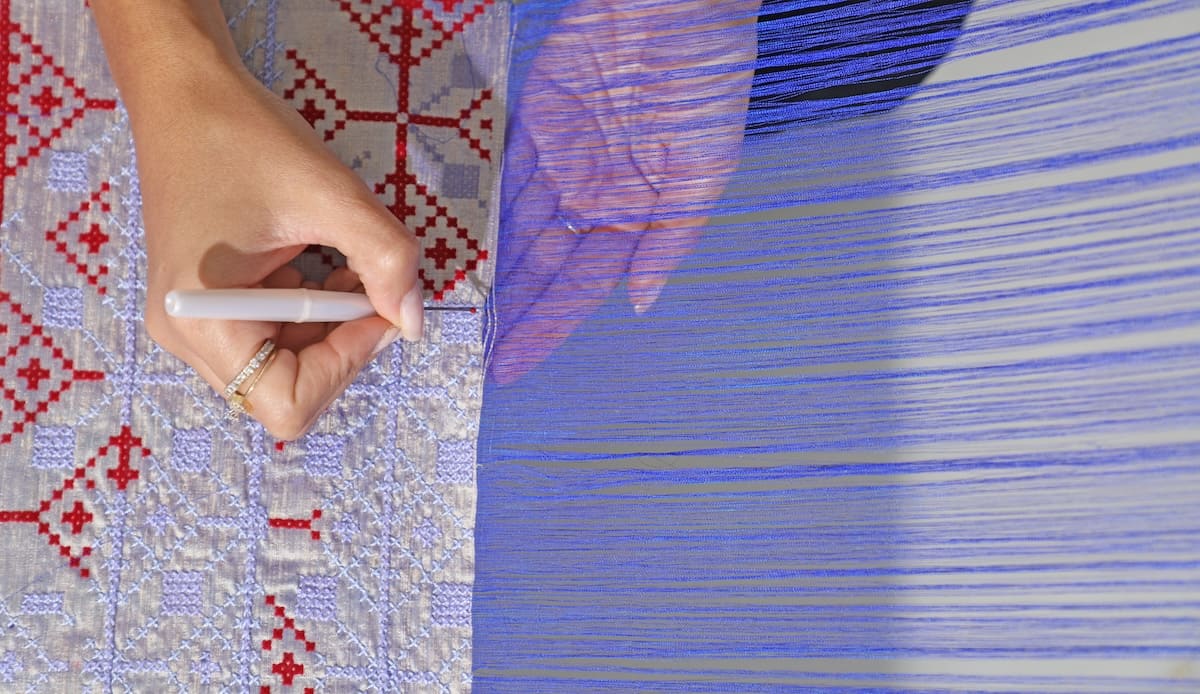
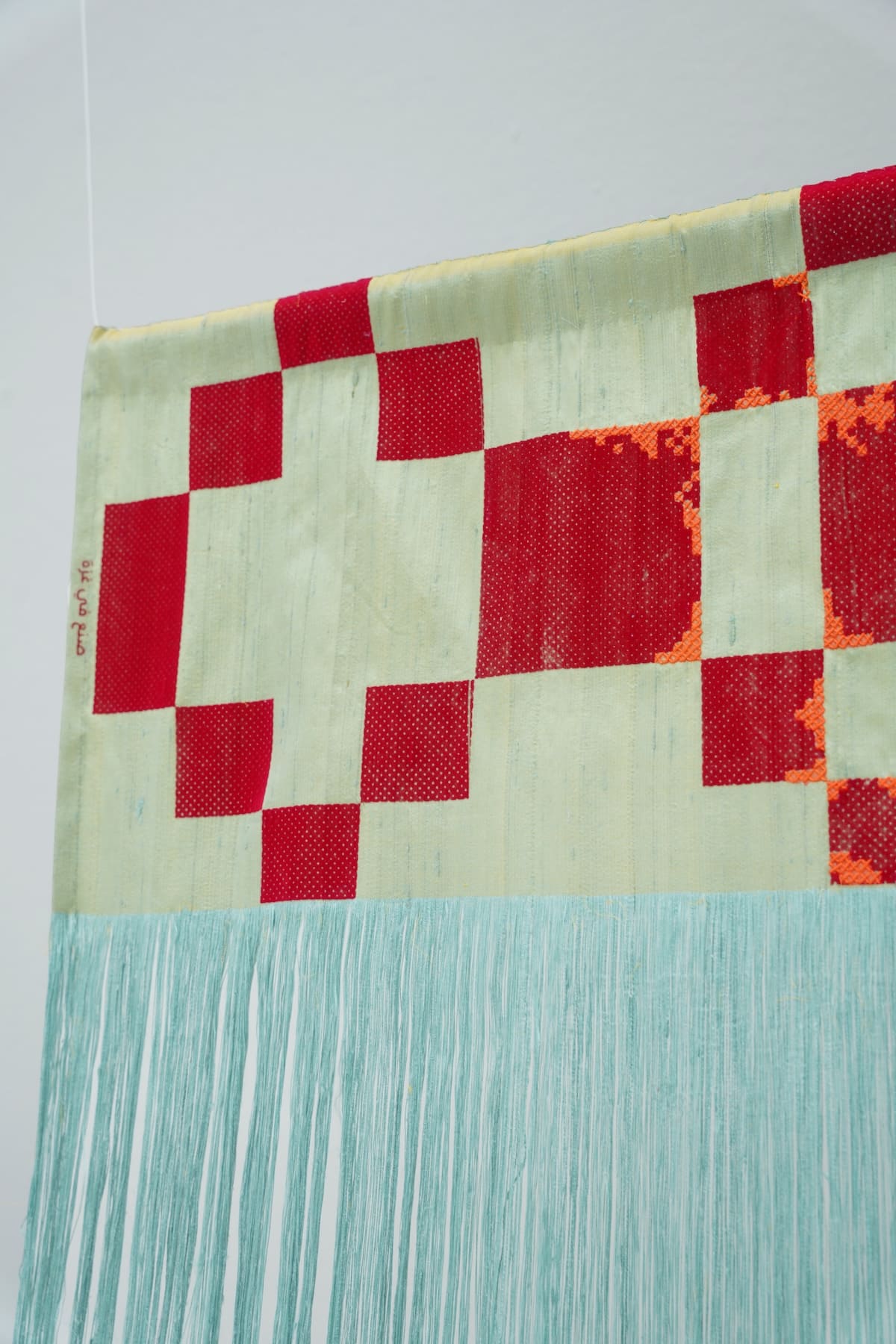
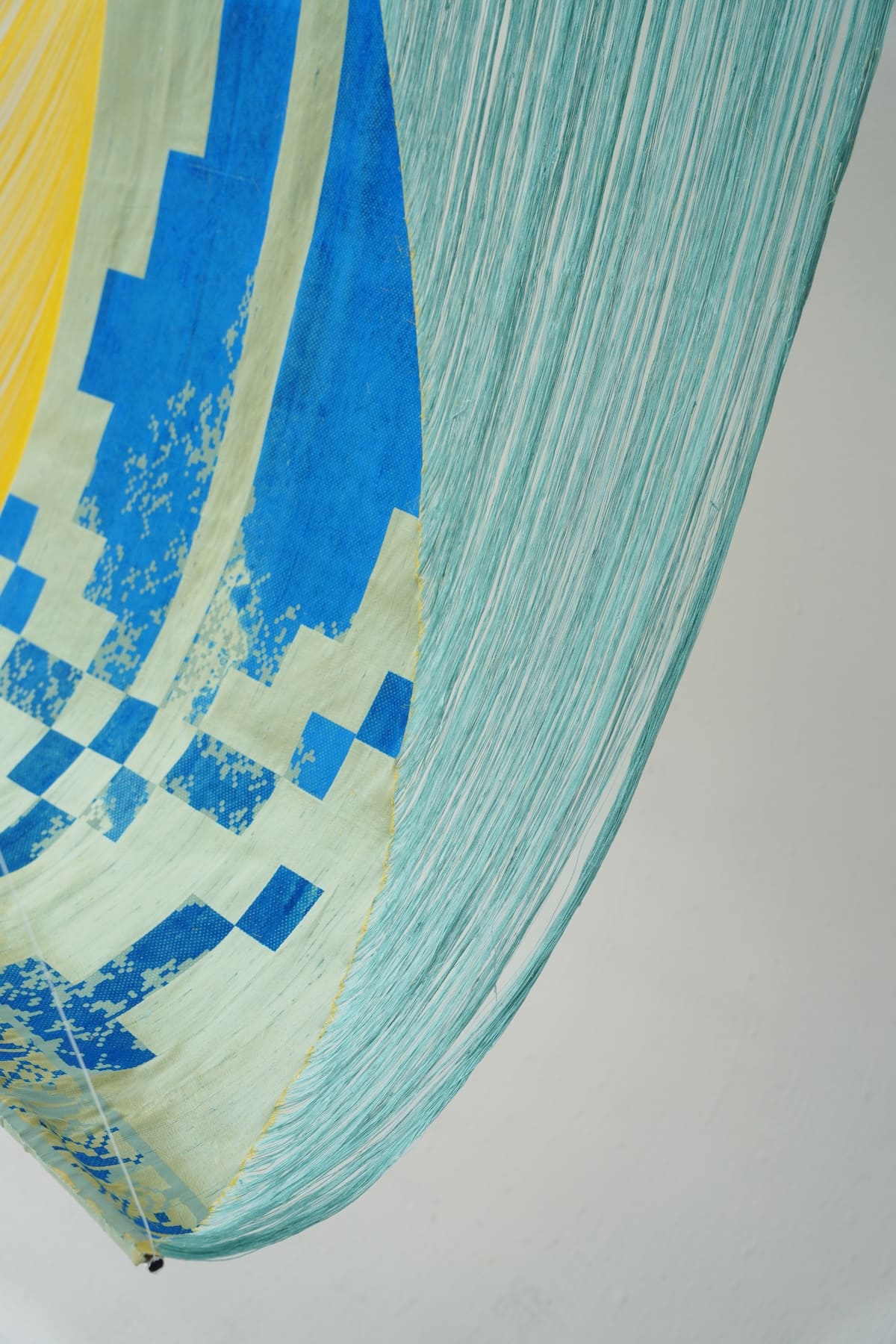
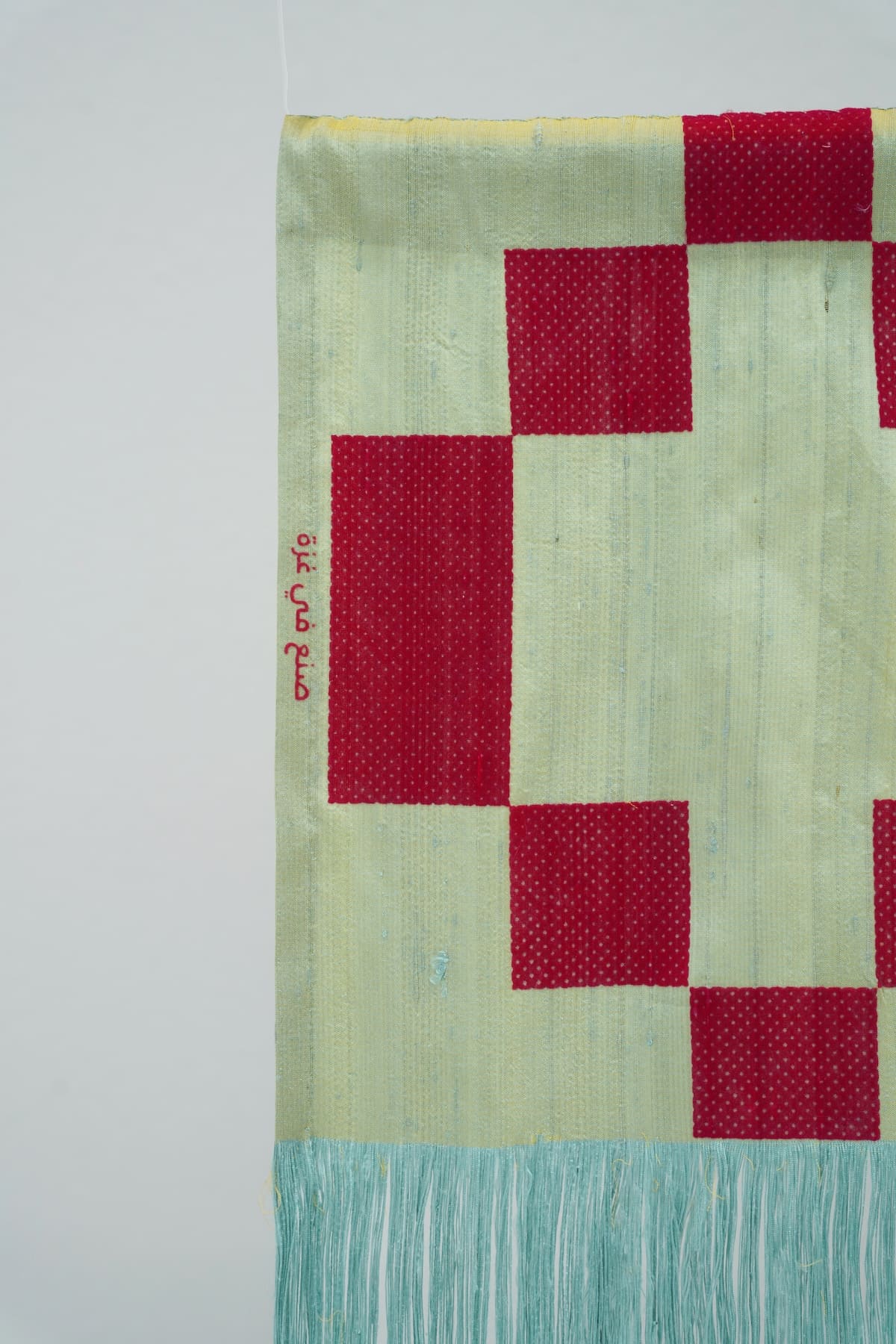
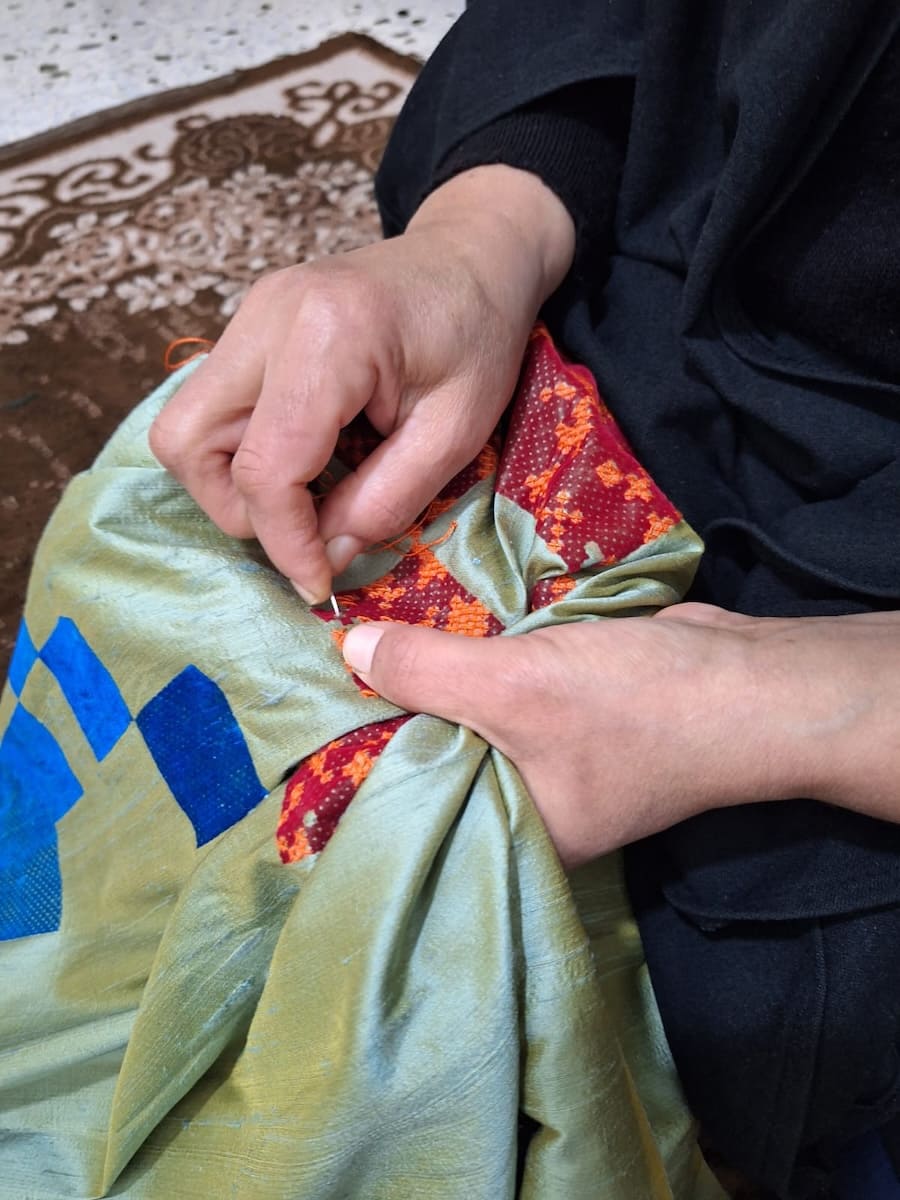
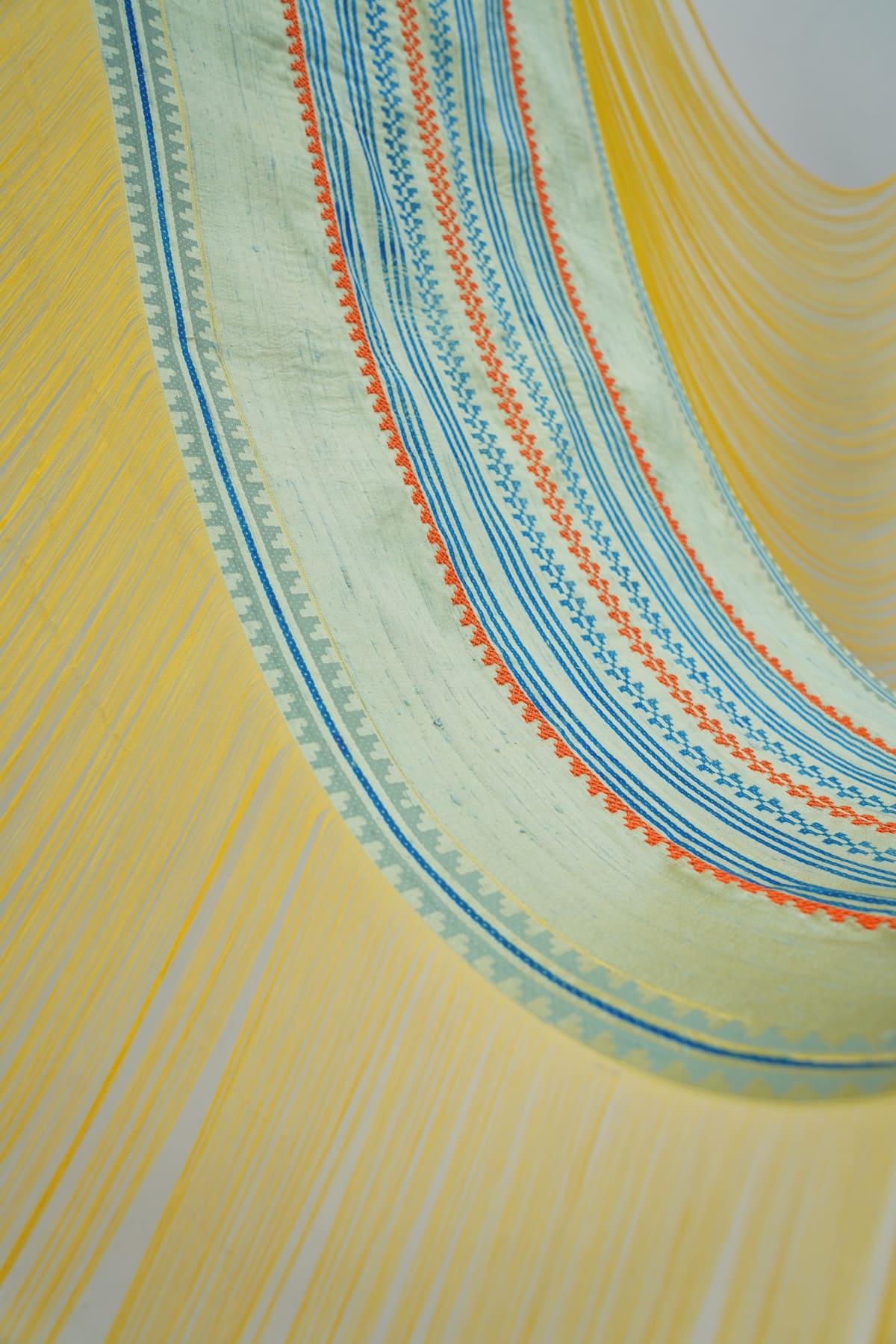
The work is built through unraveling fabric, silkscreen printing, and hand embroidery. These gestures reveal the duality of strength and vulnerability embedded in the material. Unraveling mirrors displacement; re-connection mirrors reconstruction, showing how stories, like threads, can be pulled apart and rewoven across time.
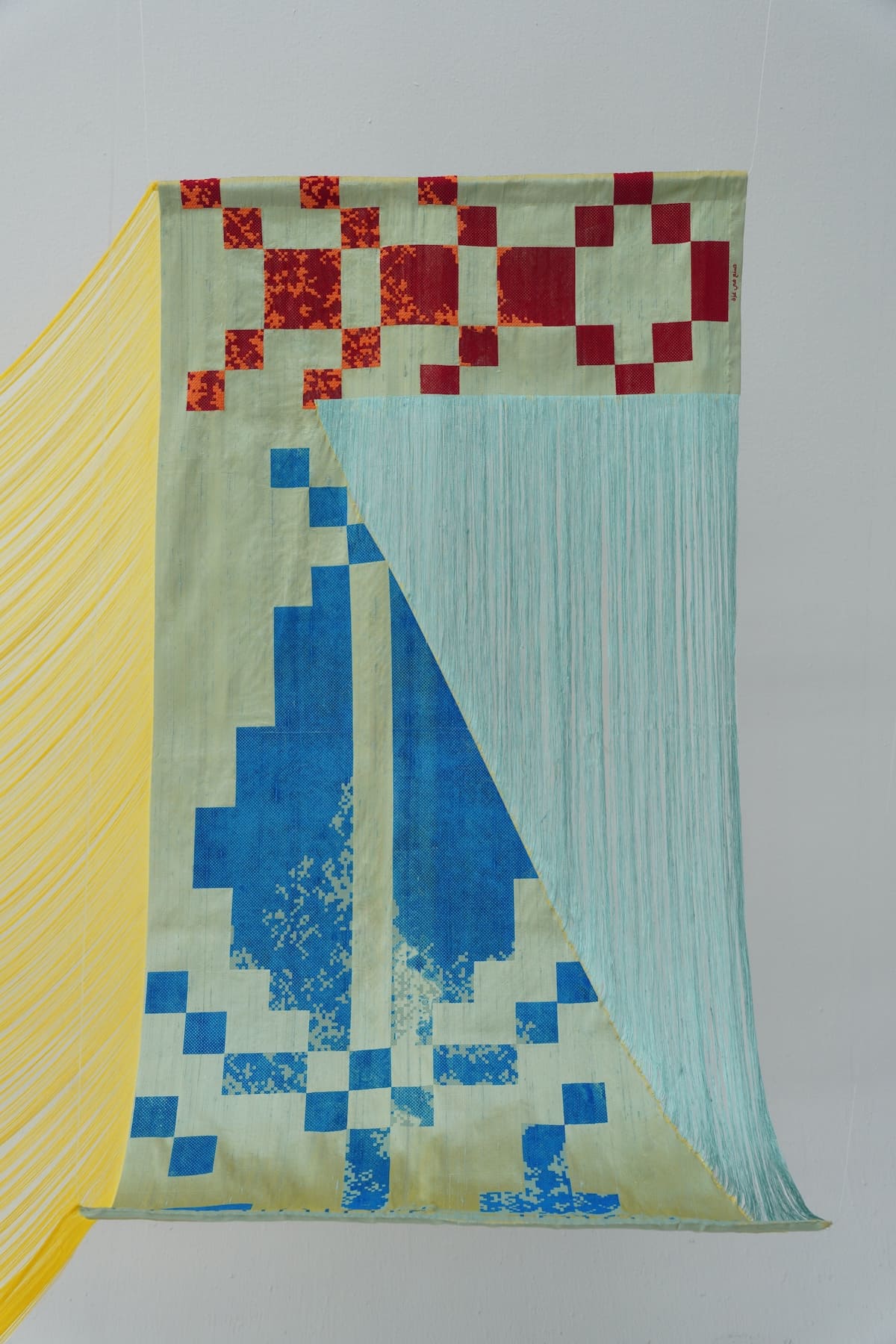
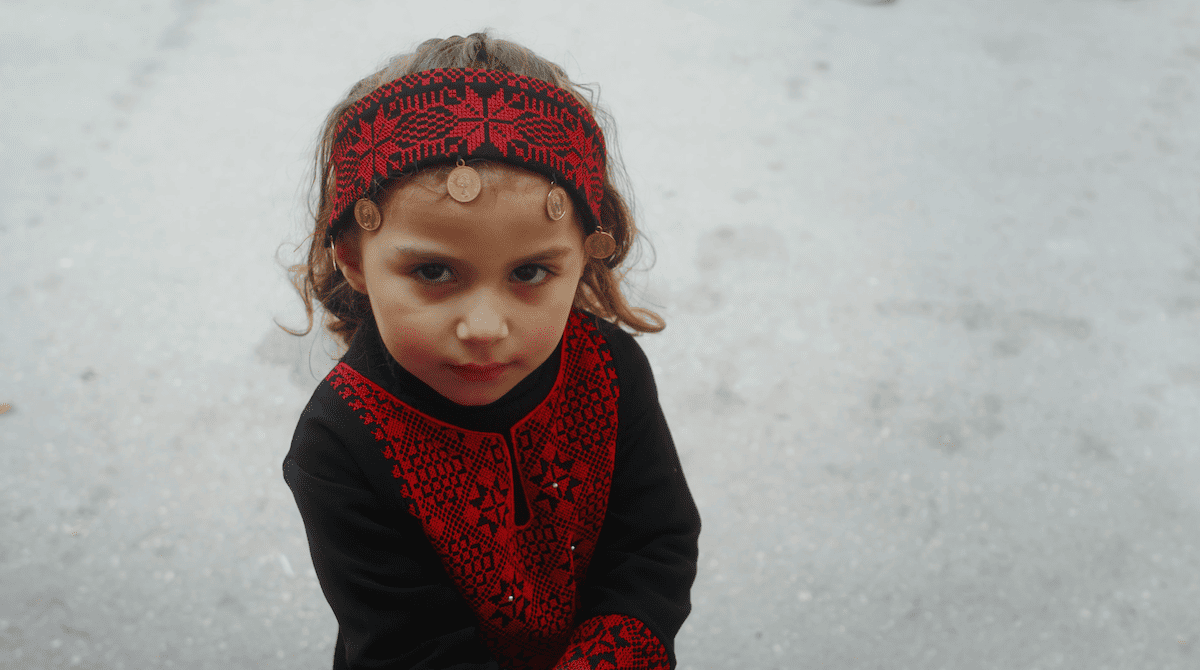
The design draws inspiration from the Gaza–Majdal Thobe (late 19th / early 20th century) and embroidery traditions of the Gaza region, reimagined into a contemporary composition. The layout is structured through recurring motifs: the Cypress Pendant (قلادة سرو), the Cypress Tree of Gaza (سروة غزة), and the Border (سنسال).
The Cypress Tree is enlarged into a dominant scale and printed along both outer edges of the dress, facing one another in reflection. This mirrored repetition creates a sense of continuity without end, suggesting presence beyond physical boundaries. At the center begins the Cypress Pendant, extending into the border elements in an uninterrupted movement across the surface — a visual rhythm of insistence and survival.
The hem of the dress is framed by the Cypress Tree motif, grounding the form while also evoking protection and growth. Through repetition and expansion, the motifs move from ornament into structure: not illustrating the land, but sustaining it through pattern and persistence.
The dominant royal blue, reminiscent of hand-made indigo, carries meanings of protection, endurance, and belonging. Each stitch becomes less decoration than action — a quiet, repeated act of continuation.
The embroidery layers were created with Palestinian refugee women in South Lebanon, members of the Inaash Association. Their participation completes the work’s cycle: the land is not present, yet its practices persist. Through their labor, place is continuously produced rather than lost.
Weaving the Land Back خيوط العودة
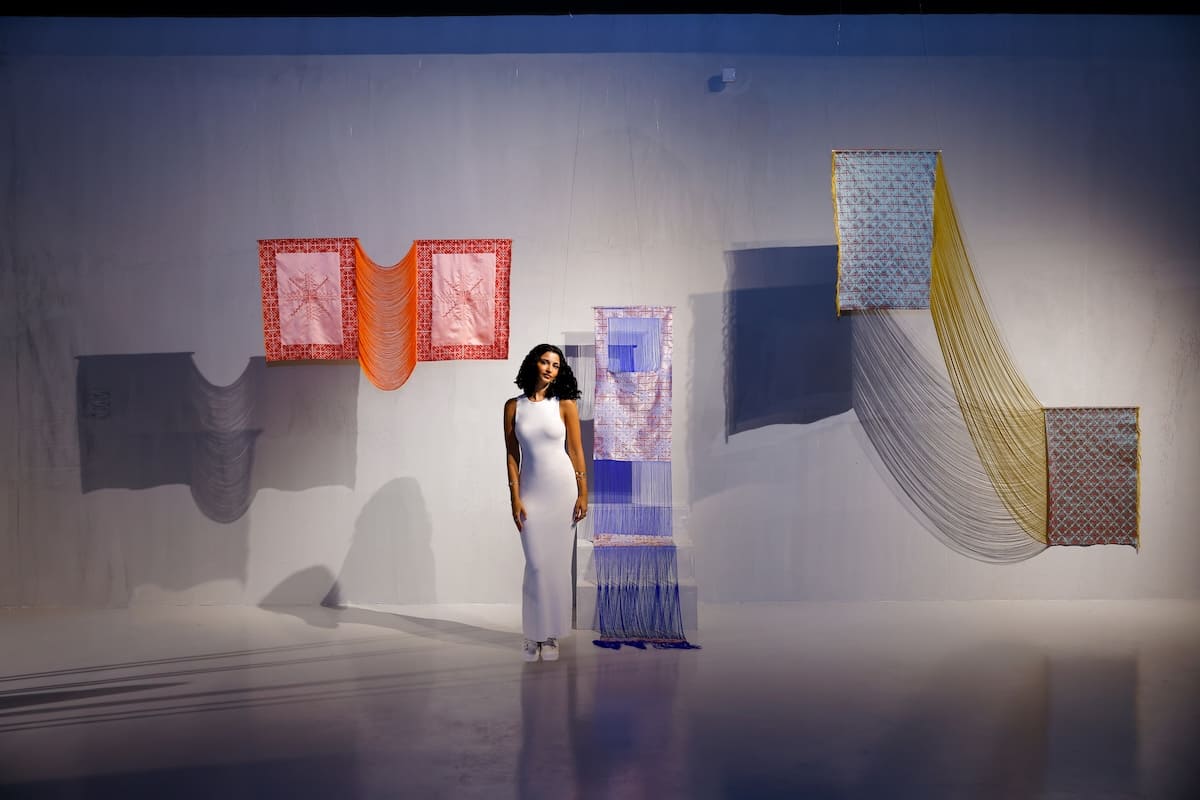
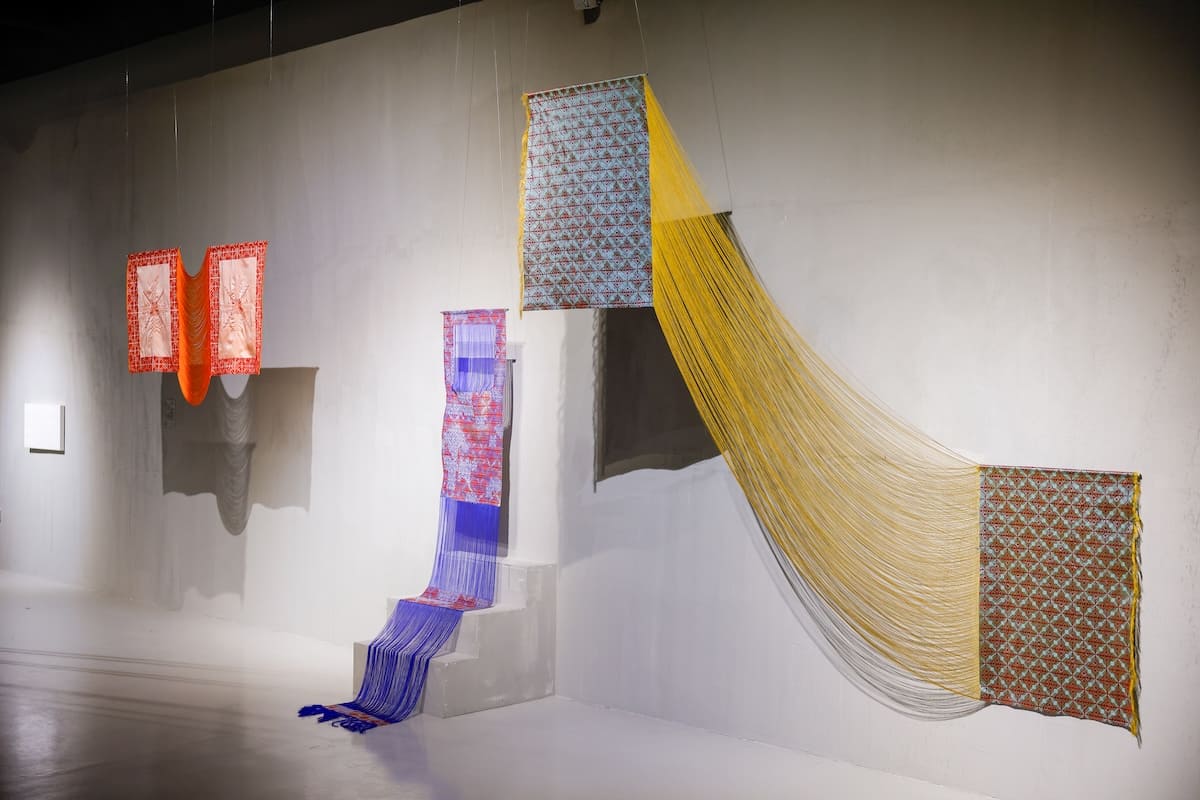
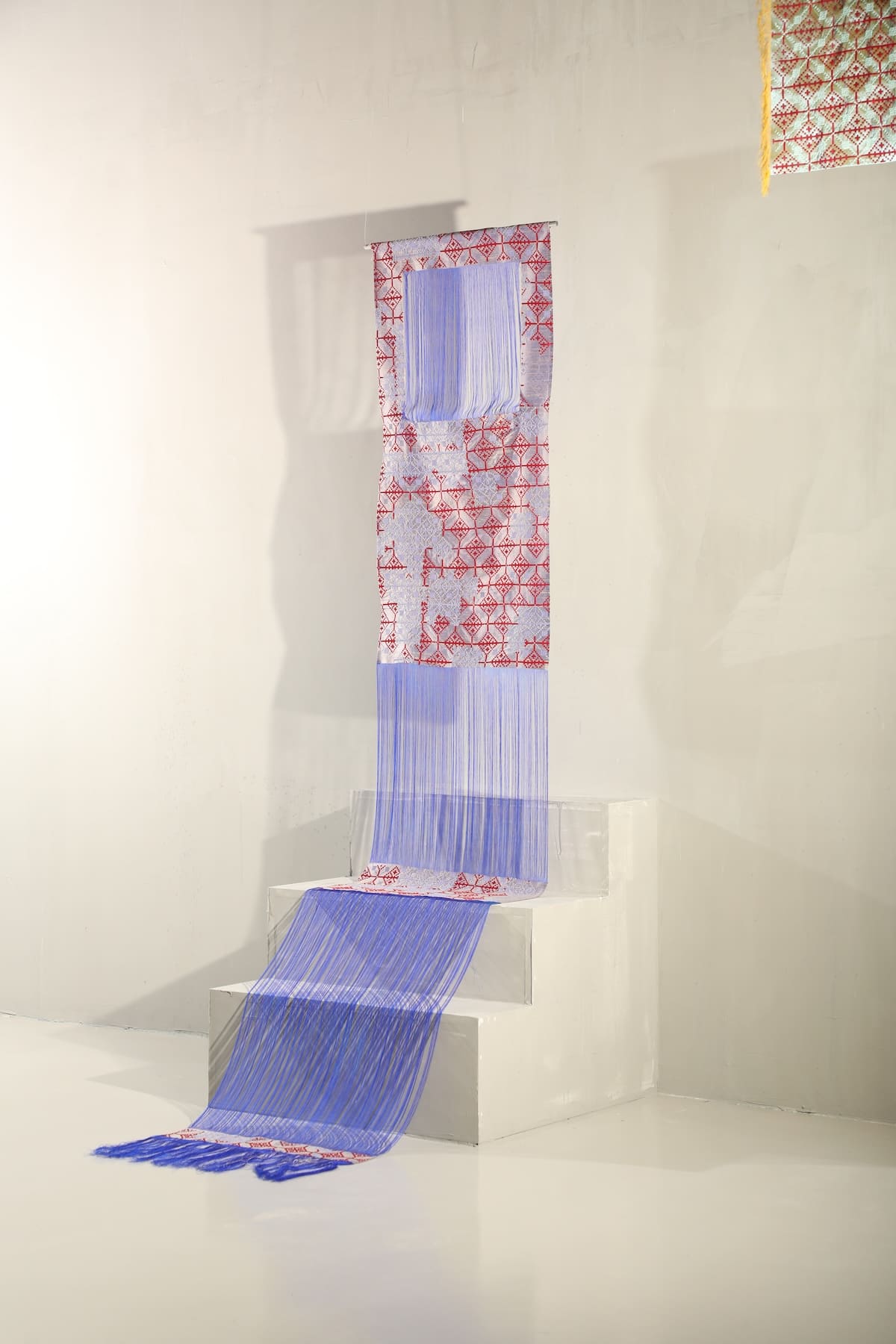
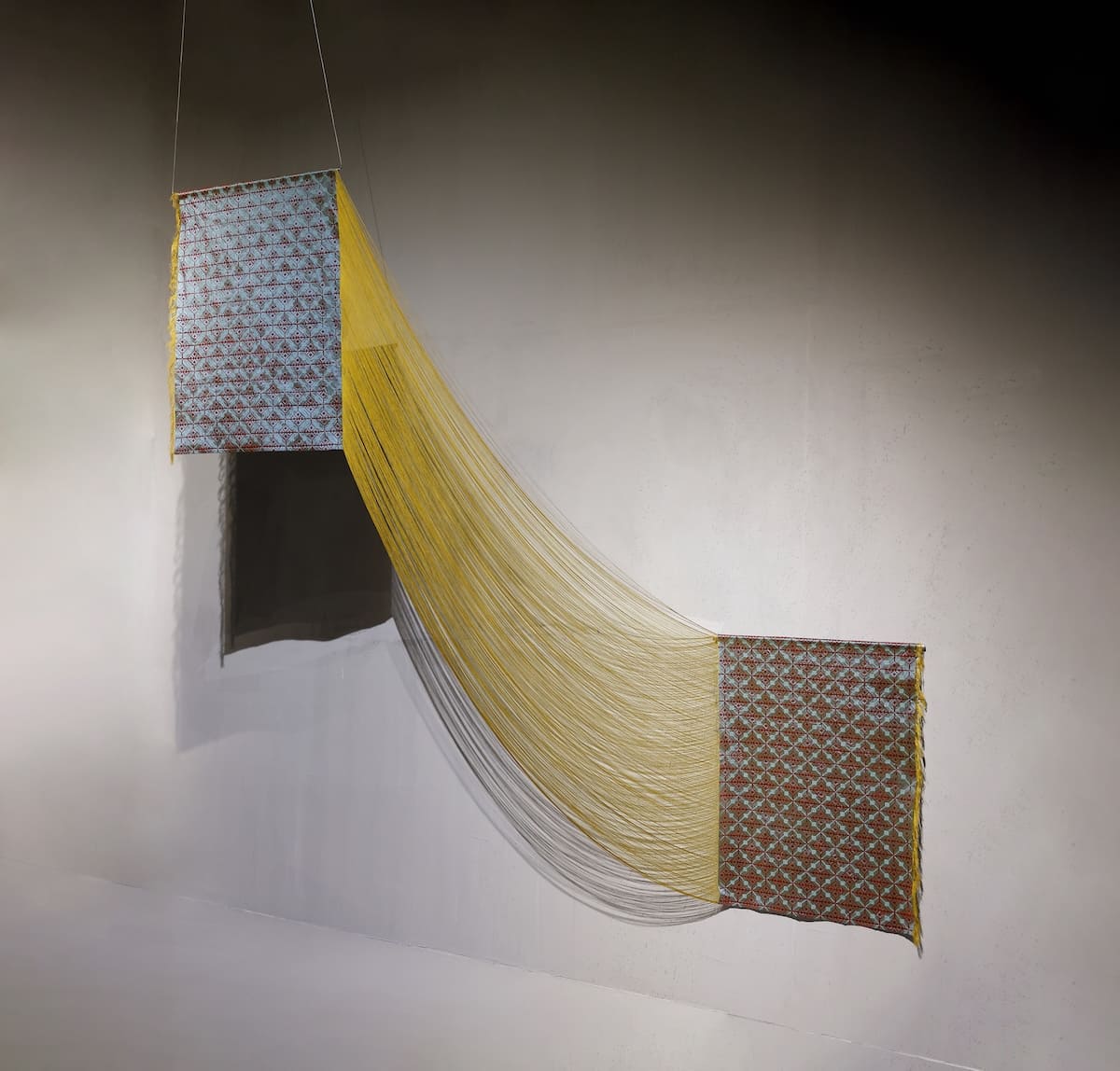
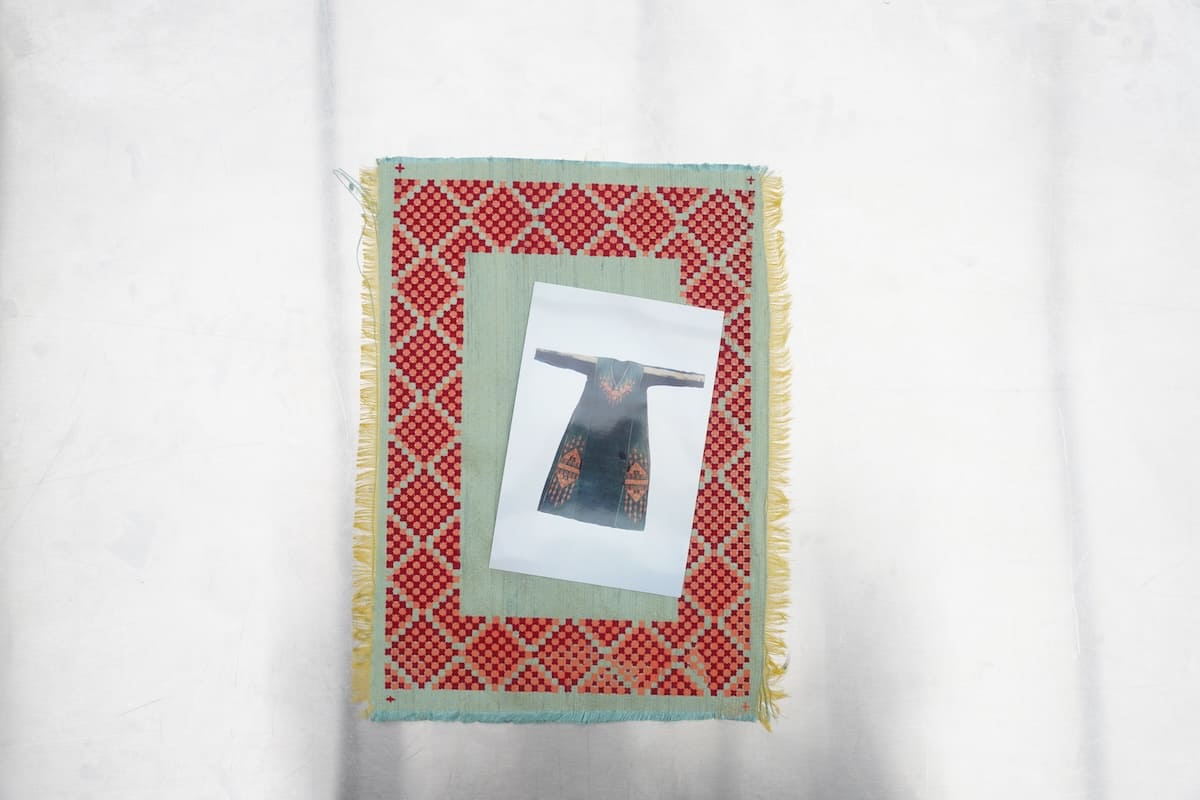
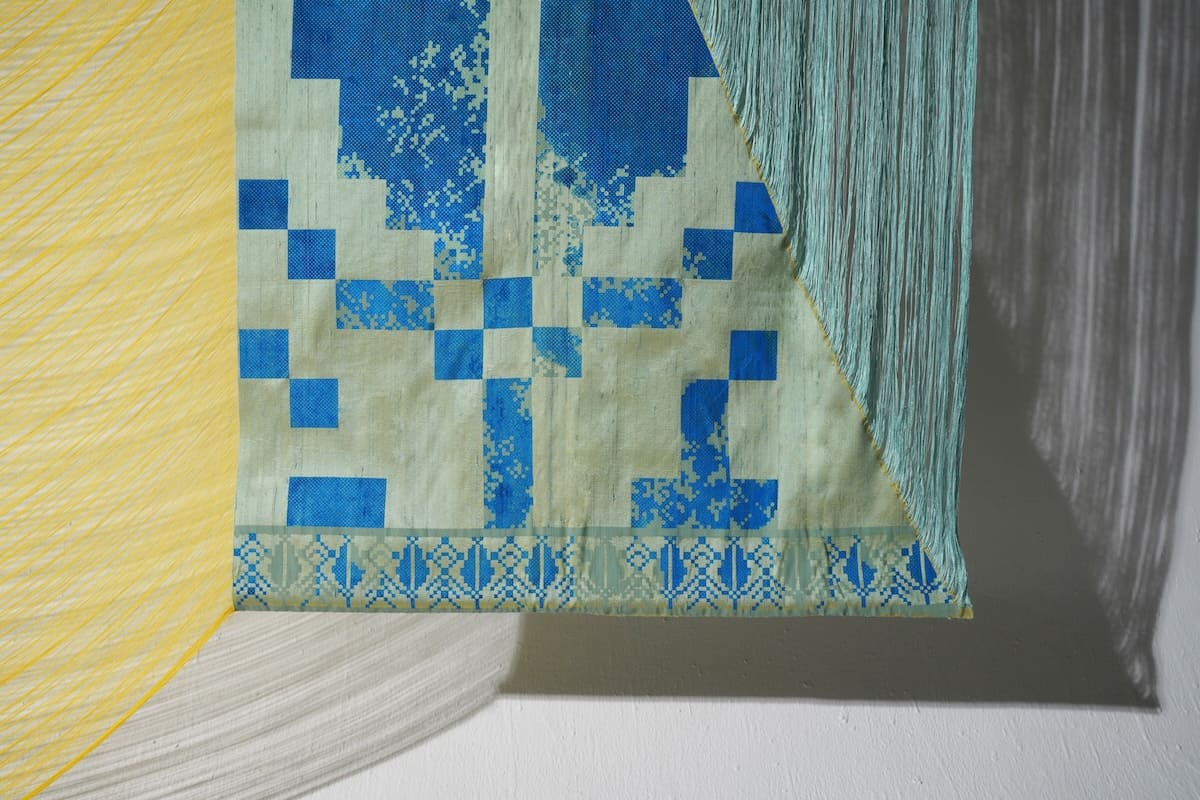
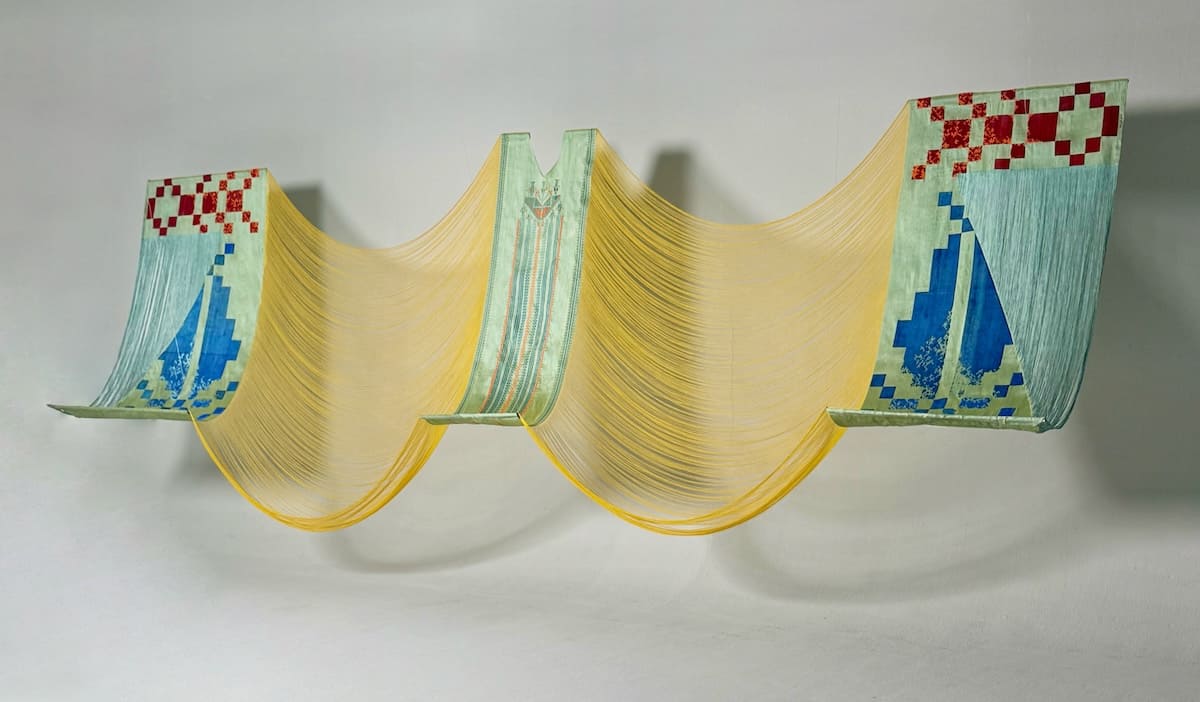
This series of three pieces weaves Palestinian heritage into a contemporary narrative by reimagining traditional motifs. These designs take historical symbols and transform them into modern expressions and symbolizing both the continuity and transformation of a people’s struggle and identity. Each piece unfolds into the next, creating a narrative where the past meets the present, and where tradition is not just preserved but reimagined. The series draws inspiration from the sacred land of Jerusalem القدس, incorporating motifs that are deeply rooted in Palestinian identity ; symbols of resilience, resistance, and belonging.
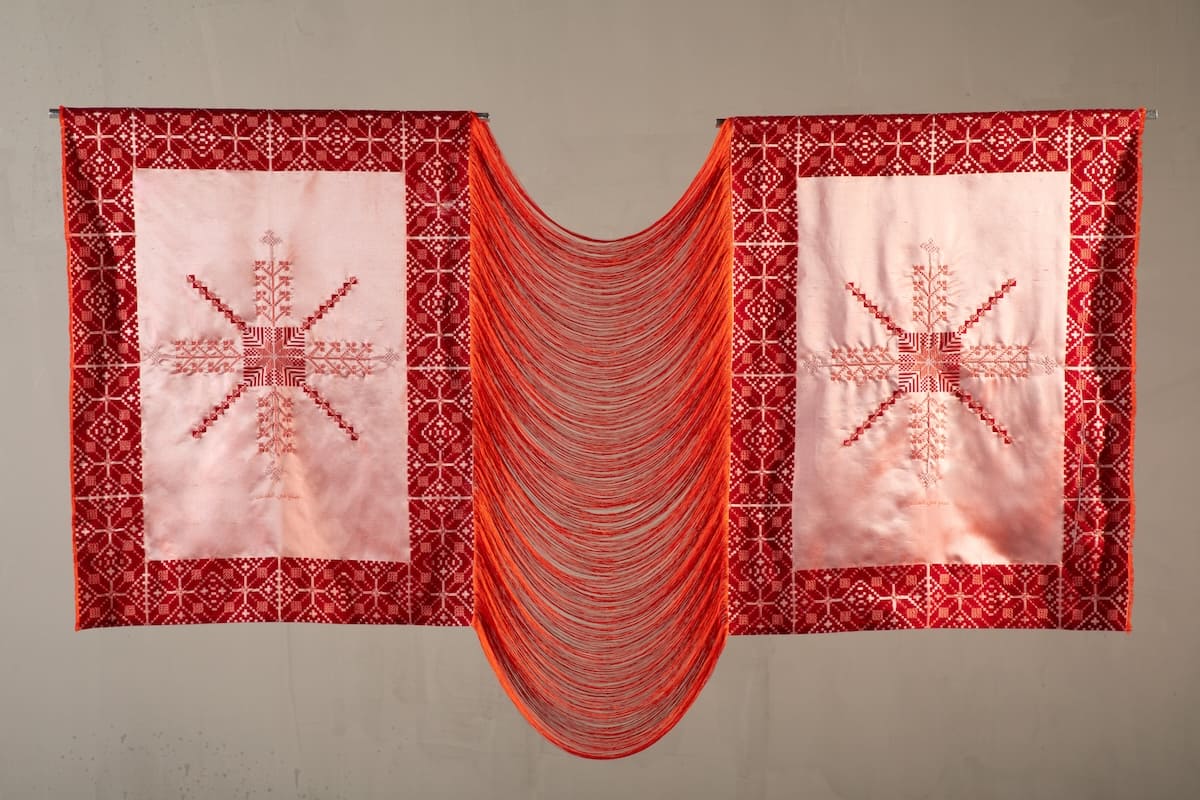
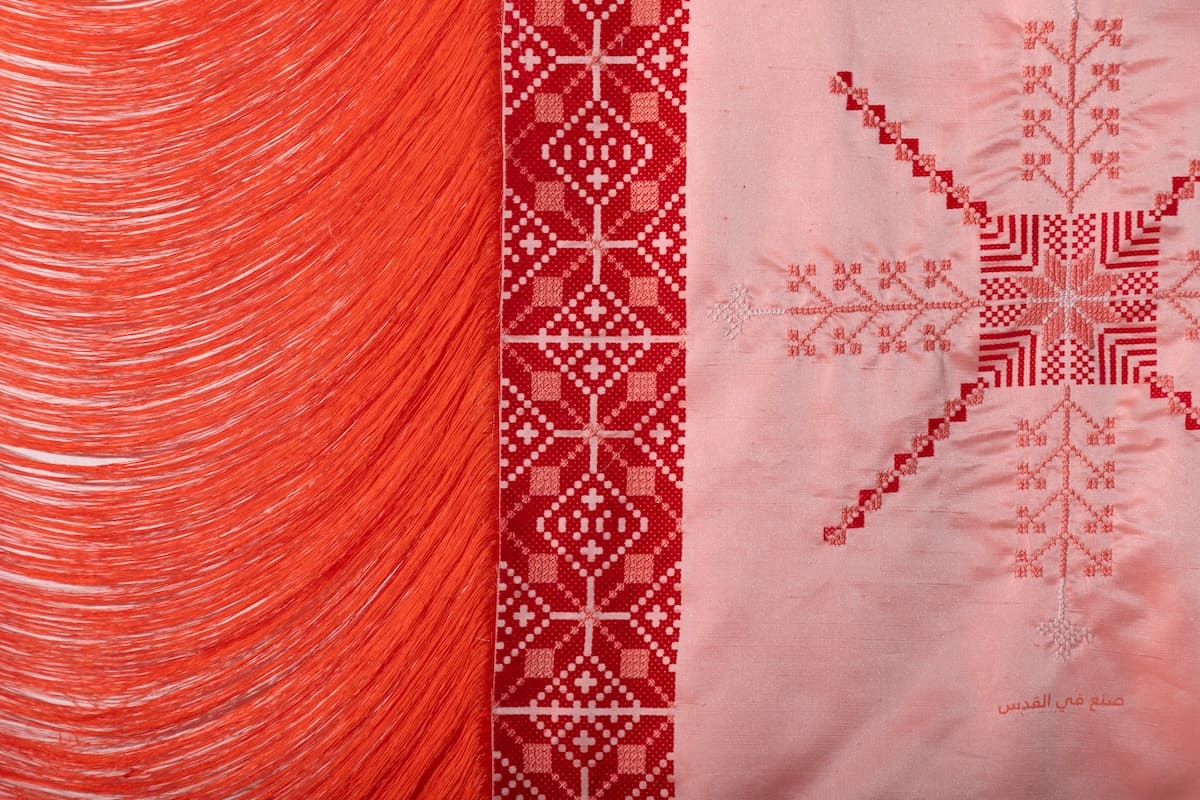
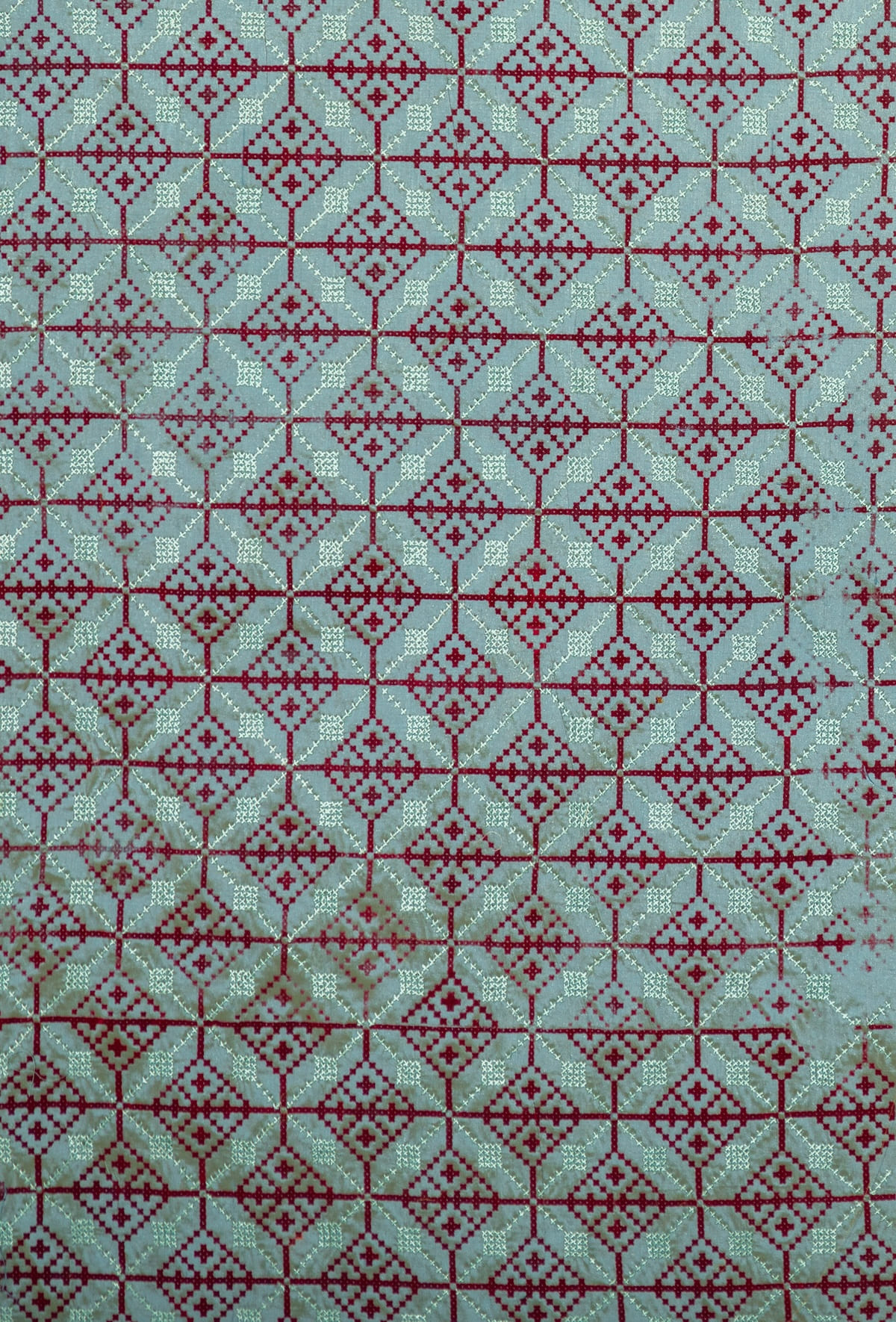
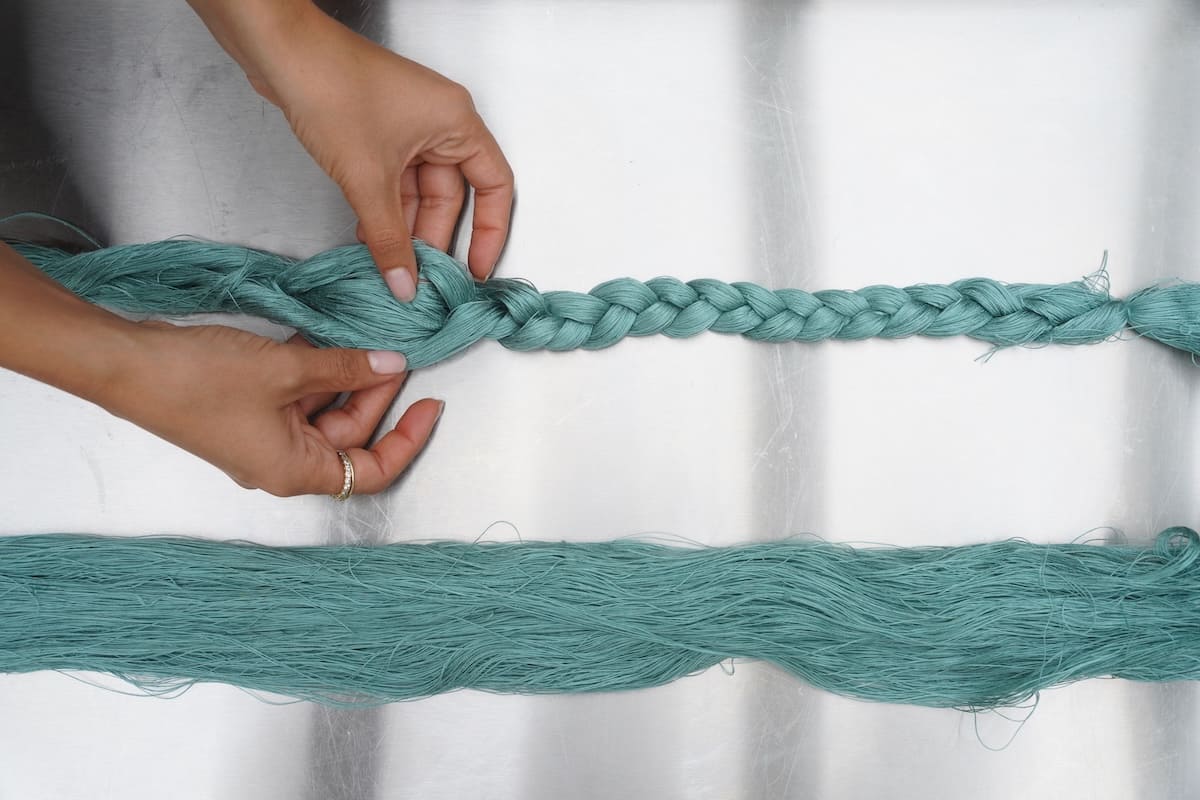
The foundation of each piece is a delicate balance of craft: the cross-stitch motif, iconic in Palestinian embroidery, merges with the technique of silkscreen printing, while the unraveling of threads becomes a metaphor for deconstructing and rediscovering the essence of Palestinian history. Through this unraveling process, the fabric is stripped back to its core, echoing a return to roots and the soul of the land itself. Each unravel serves as a reflection of the Palestinian people—broken, yet whole; fragmented, yet beautiful. The series tells a story of survival, dignity, and hope.
In ‘Motif of Memory نقش الذاكرة’ the Berry Tree motif شجرة حب, stands tall, framed by the intricate Tile Branch عرق البلاط, creating a visual repetition. This repetition mirrors the unyielding resistance of the Palestinian people, while the threads unravel in the middle, tracing the arduous journey of the people through the trauma of Nakba 1948. The frame repeated endlessly, symbolizes the borders imposed on them, yet also the strength found within those boundaries. The unraveled threads represent a pathway of survival, showing how even in fragmentation, the people persist.
‘Rooted Across تجذّر عن البُعد’ intensifies this narrative, where the Tile Branch spreads across the fabric like a barrier—both physical and metaphorical. Yet this barrier is filled with rootedness, resistance, and hope. The longer gaps in the threads signify the growing distance between the people and their land, but also the enduring connection. The unraveling here becomes more pronounced, symbolizing the struggle to hold onto what remains while confronting loss. As with all borders, it divides, but the essence of the people seeps through, unchanged.
The final piece, ‘The Long Weave خيوط لا تنتهي’ marks a journey, both literal and spiritual. The design begins with unraveled threads, which flow into a repeating printed-embroidery frame, symbolizing movement from displacement to inner growth. Transit is not just a passage; it is a transformation. The frame, repeated like the borders before it, now becomes a testament to endurance. The longer threads and the recurring patterns represent a journey that transcends time، a migration from suffering to strength, from exile to reclamation.
In this series, the threads do not merely weave stories ; they unravel them, revealing that beneath every tear and gap lies the unbreakable spirit of a people deeply intertwined with their land. Through this art, the past is not only remembered but becomes a part of the present, guiding the way forward. The Palestinian people, like the unraveling fabric, are incomplete yet whole, shattered yet full of beauty and power.
Moreover, the embroidery layers woven into this series were created by Palestinian refugee women living in South Lebanon, members of the Inaash Association.